Category Uncategorized

Peptide Structure and Sequence: Why They Matter
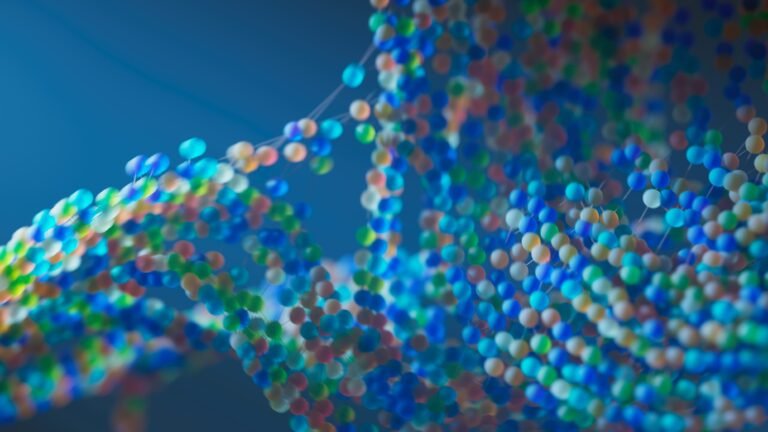
Explore how amino acid sequences and molecular structure influence the properties scientists investigate. Introduction Peptides may contain similar building blocks yet have different chemical and biological properties. One important reason is the arrangement of their amino acids and the resulting…
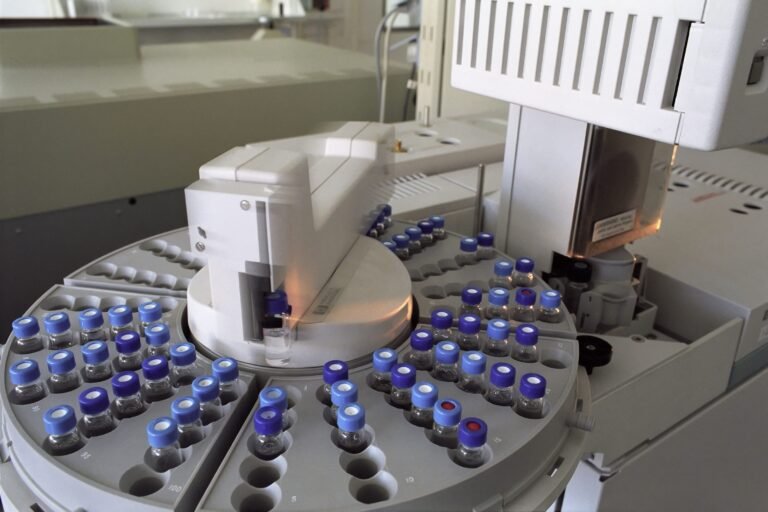
What Is Peptide Purity and How Is It Measured?

Understand peptide purity, common analytical methods, and the limitations of purity measurements. Introduction Peptide purity is an important consideration in analytical chemistry and laboratory research. Scientists assess purity to understand how much of a sample corresponds to the intended compound…

Mass Spectrometry in Peptide Research: A Beginner’s Guide

Discover how scientists use mass spectrometry to investigate peptide composition and molecular characteristics. Introduction Mass spectrometry is an analytical technique used to investigate molecules by measuring the mass-to-charge ratios of ions. It is widely used in chemistry, biochemistry, and peptide…

How to Evaluate Scientific Data in Peptide Research

Learn how study design, sample sizes, control groups, and statistical results shape scientific conclusions. Introduction Scientific data provide the foundation for research conclusions. In peptide research, results may describe chemical measurements, cellular responses, or observations from other experimental models. Learning…

Research Ethics and Responsible Scientific Reporting

Explore transparency, reproducibility, and the importance of reporting scientific findings accurately. Introduction Scientific progress depends on trustworthy research and clear communication. Researchers have a responsibility to report their methods and findings accurately, acknowledge limitations, and avoid presenting uncertain results as…