Mary

Mary

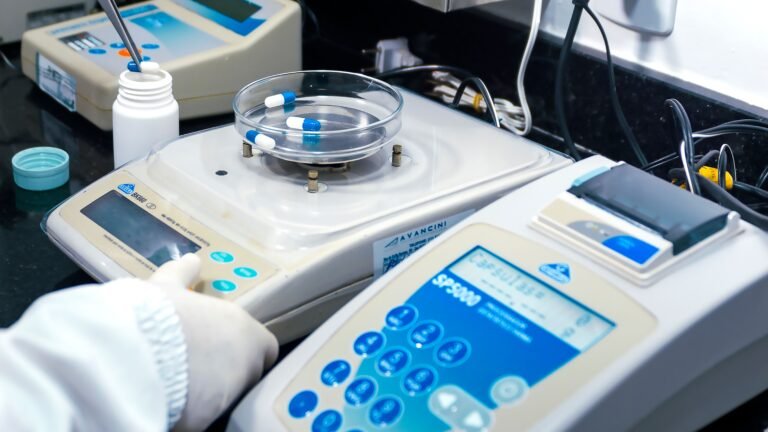
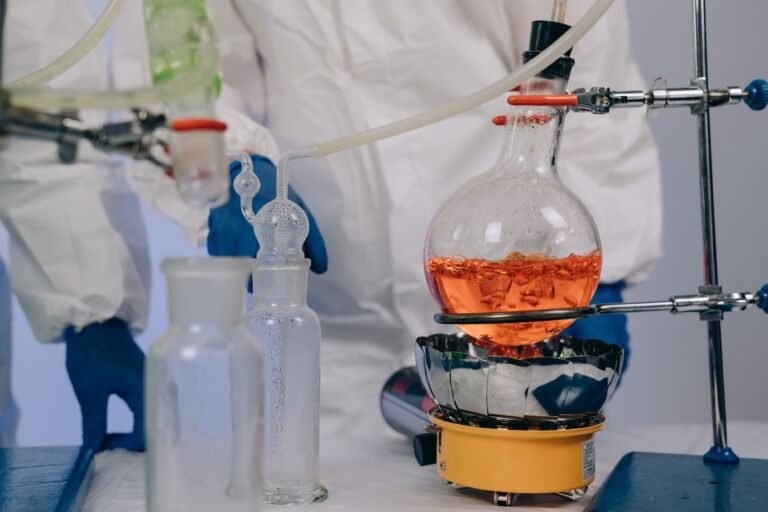
Research Methods Used in Peptide Science

Explore the laboratory techniques and experimental approaches scientists use to investigate peptides. Introduction Studying peptides requires methods that can reveal different aspects of their chemical structure, composition, stability, and biological properties. Researchers select techniques based on the question they want…
Peptide Research: An Introduction to Scientific Studies

Discover how scientists investigate peptides, explore their properties, and build scientific knowledge through research. Introduction Peptides are molecules made up of amino acids linked by peptide bonds. They play diverse roles in biological systems, making them important subjects in biochemistry,…

PEPTIDE FUNDAMENTALS

What Are Peptides? A Beginner’s GuideAn introduction to peptide structure, amino acids, and their roles in biological systems. Peptides are molecules found throughout the natural world, including in the human body, animals, plants, and microorganisms. They are made from amino…

LABORATORY RESEARCH

Explore the laboratory methods scientists use to examine peptide properties and characteristics. Introduction Peptides are studied in laboratories to better understand their chemical structure, physical properties, and biological activity. Researchers use specialized methods to identify peptides, assess their purity, and…

SCIENTIFIC EVIDENCE

Learn how to interpret study methods, findings, limitations, and scientific references. Introduction Scientific studies help researchers investigate peptides, their properties, and their potential biological roles. However, understanding a study involves more than reading its conclusions. It also requires examining how…

Peptide Bonds Explained: How Amino Acids Connect

Learn how amino acids connect to form peptides and why peptide bonds are essential to molecular biology. Introduction Peptides are made from amino acids connected in a specific order. The bonds joining these amino acids help form the chains that…

Peptide Structure and Sequence: Why They Matter

Explore how amino acid sequences and molecular structure influence the properties scientists investigate. Introduction Peptides may contain similar building blocks yet have different chemical and biological properties. One important reason is the arrangement of their amino acids and the resulting…

What Is Peptide Purity and How Is It Measured?

Understand peptide purity, common analytical methods, and the limitations of purity measurements. Introduction Peptide purity is an important consideration in analytical chemistry and laboratory research. Scientists assess purity to understand how much of a sample corresponds to the intended compound…

Mass Spectrometry in Peptide Research: A Beginner’s Guide

Discover how scientists use mass spectrometry to investigate peptide composition and molecular characteristics. Introduction Mass spectrometry is an analytical technique used to investigate molecules by measuring the mass-to-charge ratios of ions. It is widely used in chemistry, biochemistry, and peptide…

How to Evaluate Scientific Data in Peptide Research

Learn how study design, sample sizes, control groups, and statistical results shape scientific conclusions. Introduction Scientific data provide the foundation for research conclusions. In peptide research, results may describe chemical measurements, cellular responses, or observations from other experimental models. Learning…